Off-Timeline Influence
A short note on how public silence can still participate in opinion formation.
There is something in public opinion that resembles over-the-counter trading in financial markets.
An OTC trade may not appear directly on the public order book, but it can still affect price expectations, liquidity, and how counterparties read the market. Public opinion works in a similar way. The fact that someone is not speaking loudly on the timeline does not mean they are absent from the formation of opinion.
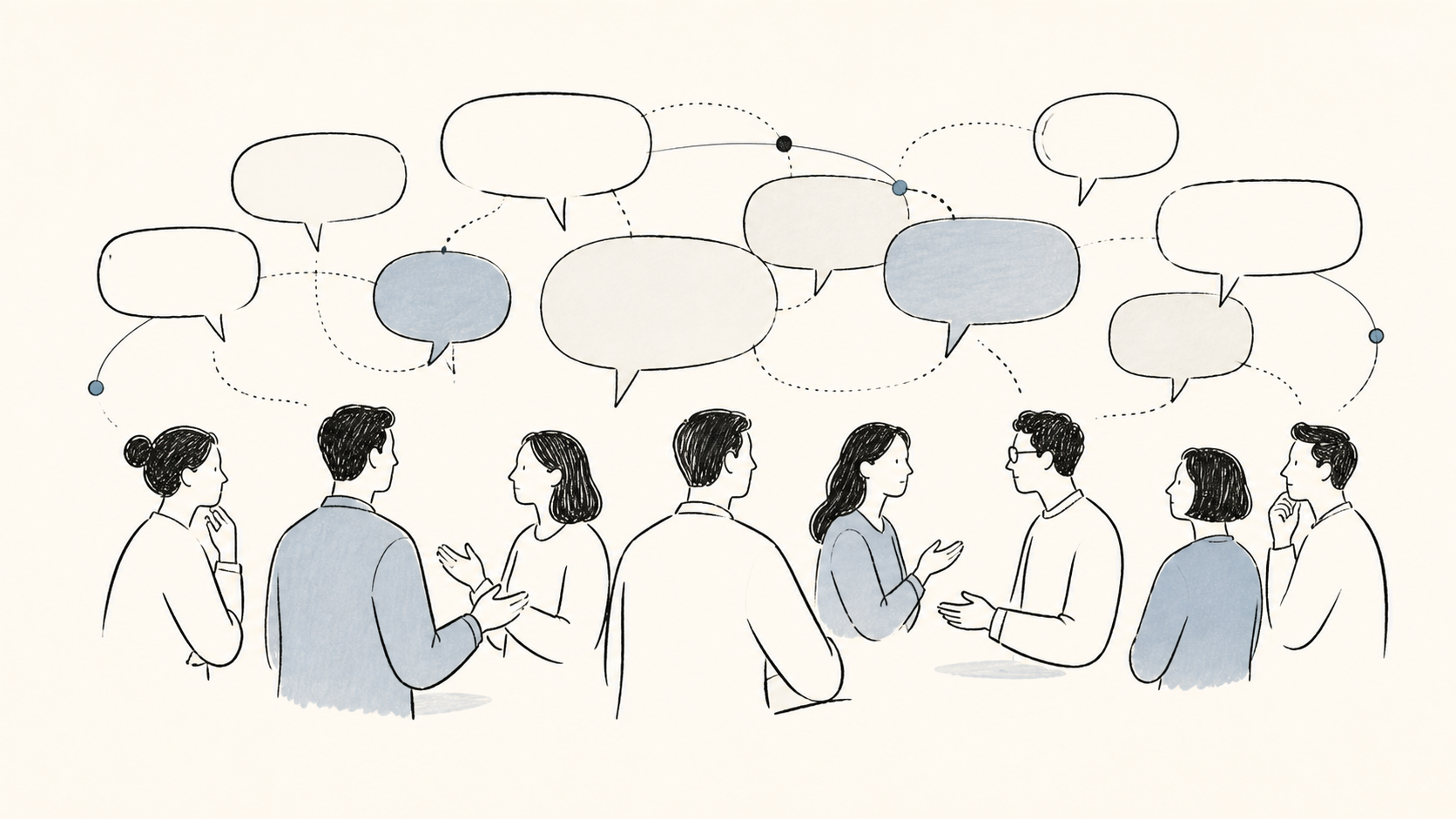
Likes, bookmarks, subscriptions, private messages, group chat comments, the receiving of materials, and the retelling of those materials all create influence. This becomes even stronger when a person already has a private audience or a semi-closed circle around them. Influence does not always need a public post. Sometimes it settles quietly through repeated circulation.
This is why “I was just scrolling,” “I rarely reply,” or “people think I am basically a bot” can be a convenient performance. A person can present themselves as someone who does not know every detail, does not participate in every event, and is mostly harmless. But public quietness does not erase off-timeline participation.
Many opinions are not formed on the homepage. They are formed in group chats, private conversations, subscription relationships, selective forwarding, and the casual-sounding act of “just looking.”
One way to judge a person’s self-presentation is to look at how evaluation circulates around them. Low activity is not the issue. A person can be quiet and still be honest. The issue is when someone quietly shapes other people’s judgments offstage, while publicly describing themselves as a harmless bystander.
That is not innocence. It is a performance of innocence.